Neighborhood supply-demand matches.
← Back to selected work
LEAD PRODUCT DESIGN · SERVICE DESIGN · CIRCULAR COMMERCE
CornerPeople
Turning household surplus into a neighborhood service network.
I reframed food donation from a single NGO handoff into a three-sided circular model that connects consumers, shoppers, neighbors and NGOs without adding unnecessary last-mile cost.

CIRCULAR ECOSYSTEM
Consumer ↔ Shopper ↔ Neighbor
Users choosing the CornerPeople option.
Shoppers willing to facilitate the handoff.
01
CONTEXT & PROBLEM FRAMING
Two idle resources. One service opportunity.
I started from a structural tension: households accumulate sealed pantry products they will not consume, while last-mile logistics already move through the same neighborhoods with unused carrying capacity.
Instead of treating donation as a separate logistics problem, I reframed it as a service-design opportunity embedded in an ecosystem that already had users, shoppers, routes and checkout moments.
02
SERVICE BLUEPRINT & ECOSYSTEM ARCHITECTURE
The service only works if every actor gets a low-friction role.
Donor
Lists a sealed pantry product, chooses an exit channel and prepares the handoff.
Shopper
Acts as facilitator only when the handoff naturally fits an active route — or receives the item for self-consumption.
Neighbor / concierge
Receives the item through a matched nearby request or a concierge handoff with traceable ID.
NGO
Receives grouped donations when volume makes centralized collection more efficient.
OPPORTUNISTIC PIGGYBACKING
Use existing movement instead of creating a new route.
I designed the service so a shopper only facilitates a handoff when it can piggyback on a route already happening. That protects the business from turning social impact into a new delivery cost center.
CORNERPEOPLE · DONATION EXPERIENCE
A familiar Cornershop experience, repurposed for circular exchange.
I kept the interaction language close to Cornershop’s existing app so donation felt like a native marketplace action rather than a separate social-impact product.
Open interactive prototype ↗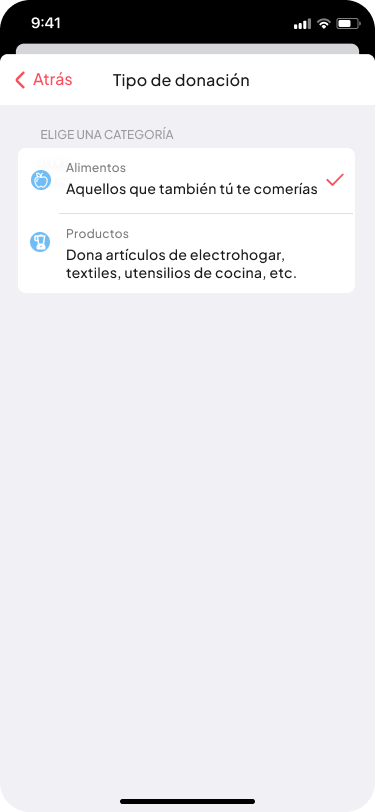
03
DEEP DIVE · ZERO-FRICTION LISTING
I removed the listing form and made the camera do the work.
The core design decision was to leverage Cornershop’s master catalog. Users scan, verify and choose an exit channel instead of manually rebuilding product information.
01
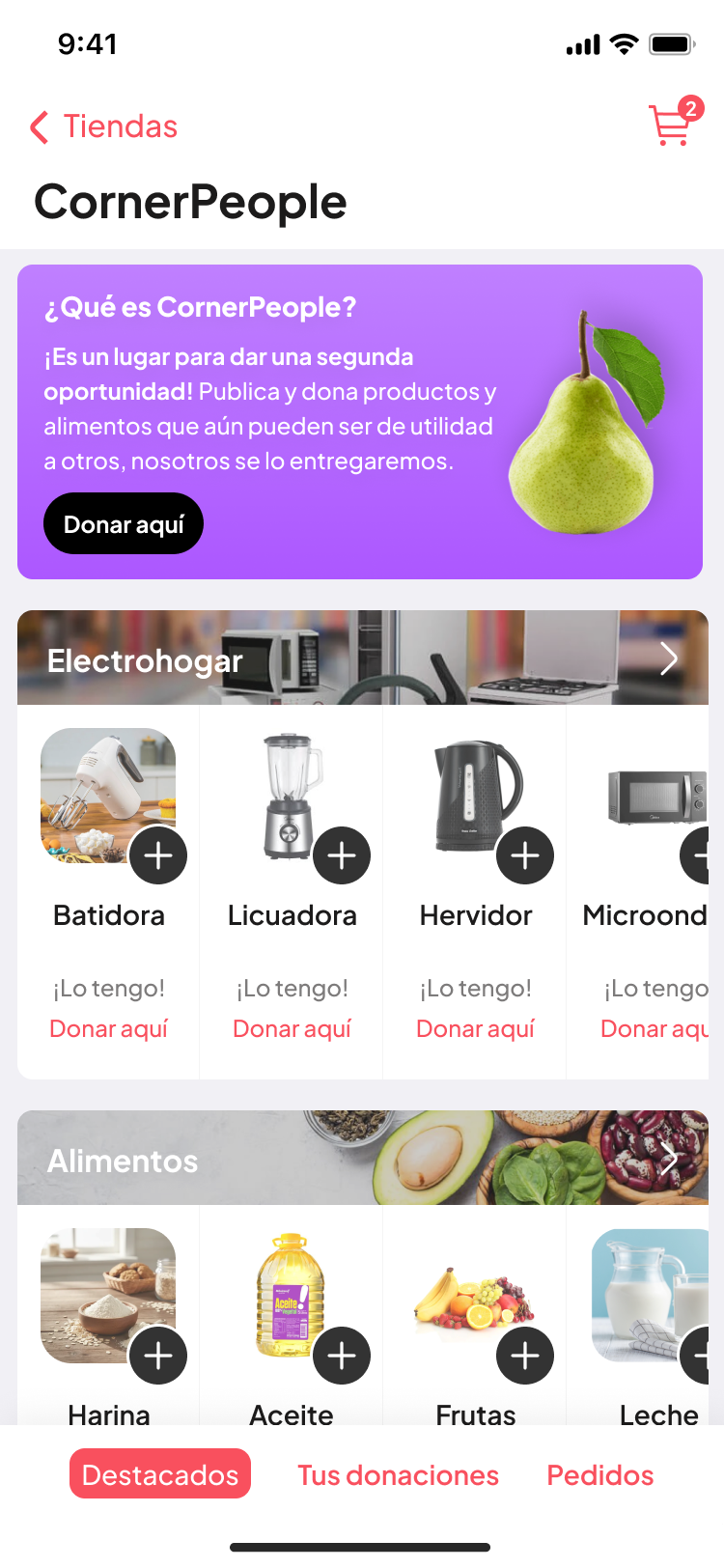
Discover CornerPeople inside the marketplace
I introduced donation as a native Cornershop destination, using familiar categories, product cards and navigation patterns to reduce the cost of learning a new service.
02
Set the donation type first
The first decision separates food from household products so safety rules and listing requirements can adapt before users invest effort.
03
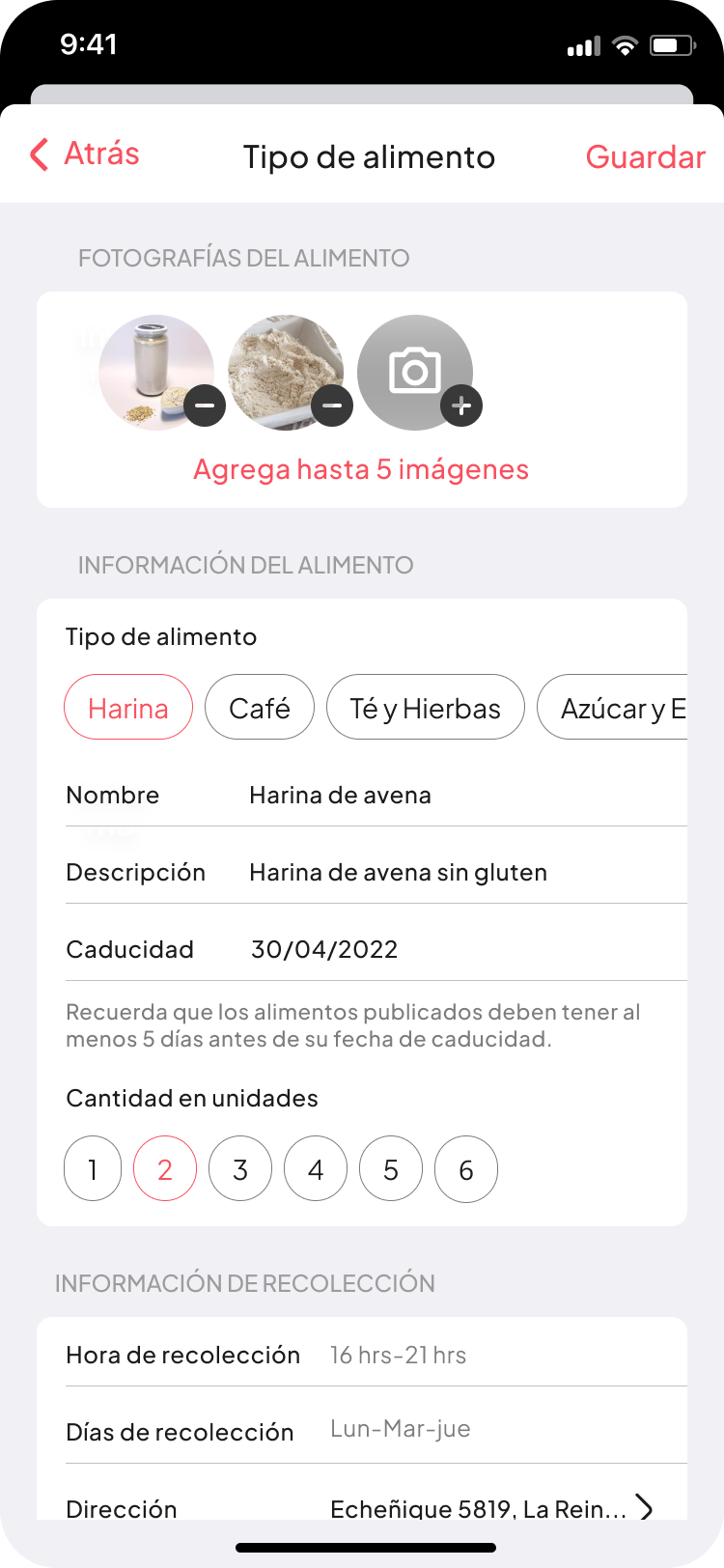
Keep the publishing task visible
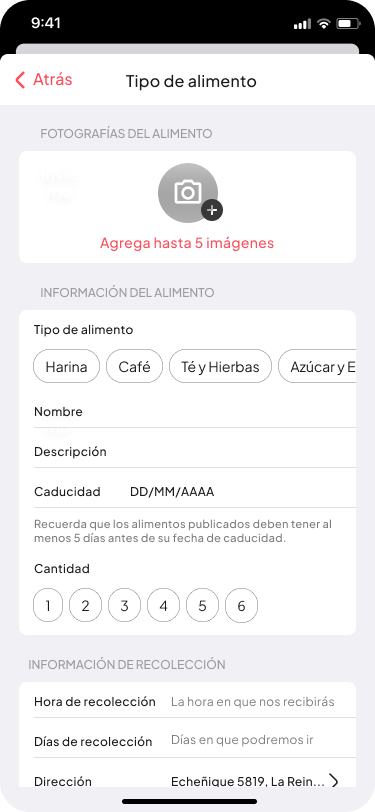
The form groups photos, food information and collection logistics in one predictable structure with a visible progression from product to handoff.
04
Reduce uncertainty before publishing
A completed example makes quantity, expiration and pickup expectations explicit, reducing ambiguity for both donor and operations.
05
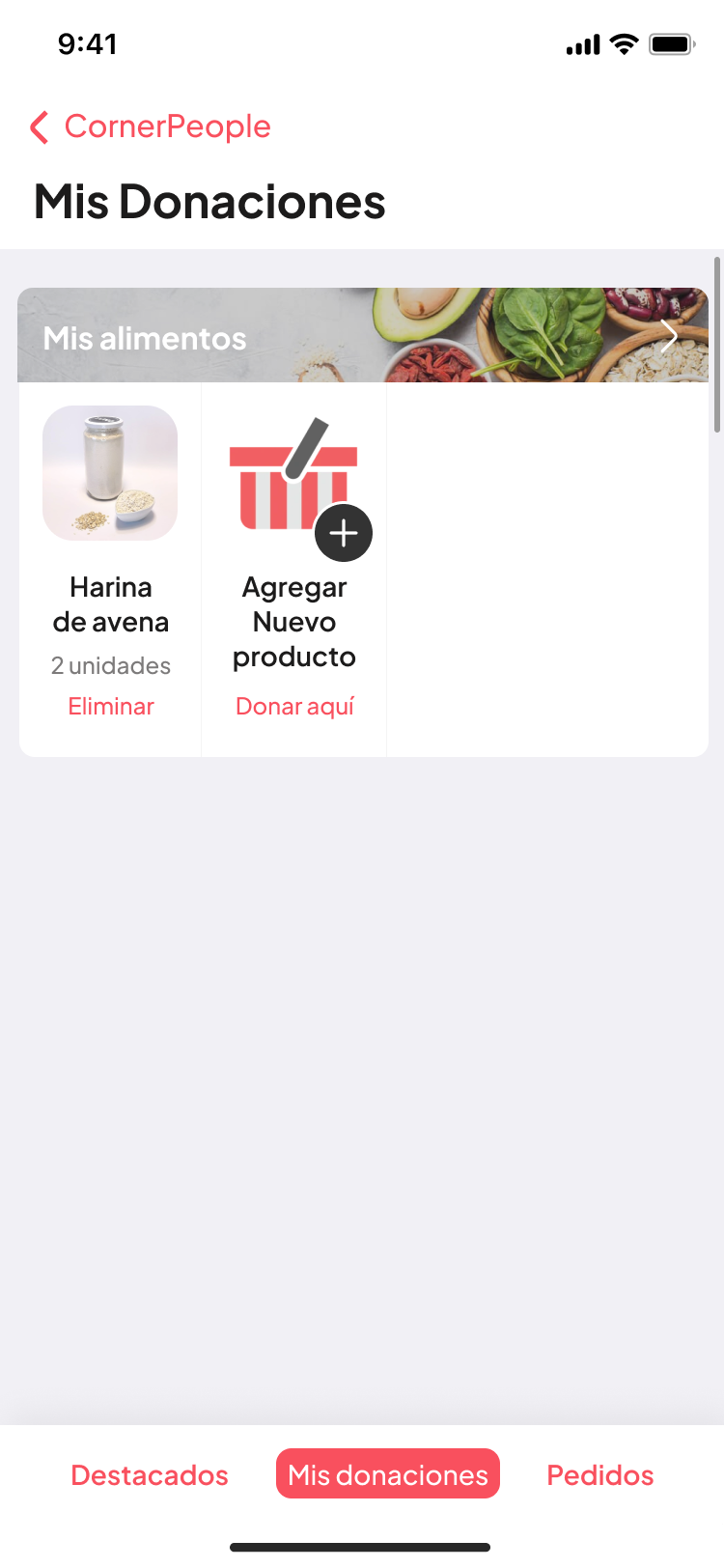
Give donors a sense of control
My Donations closes the loop by making active items visible, editable and removable without requiring support.
06
Make each donation traceable
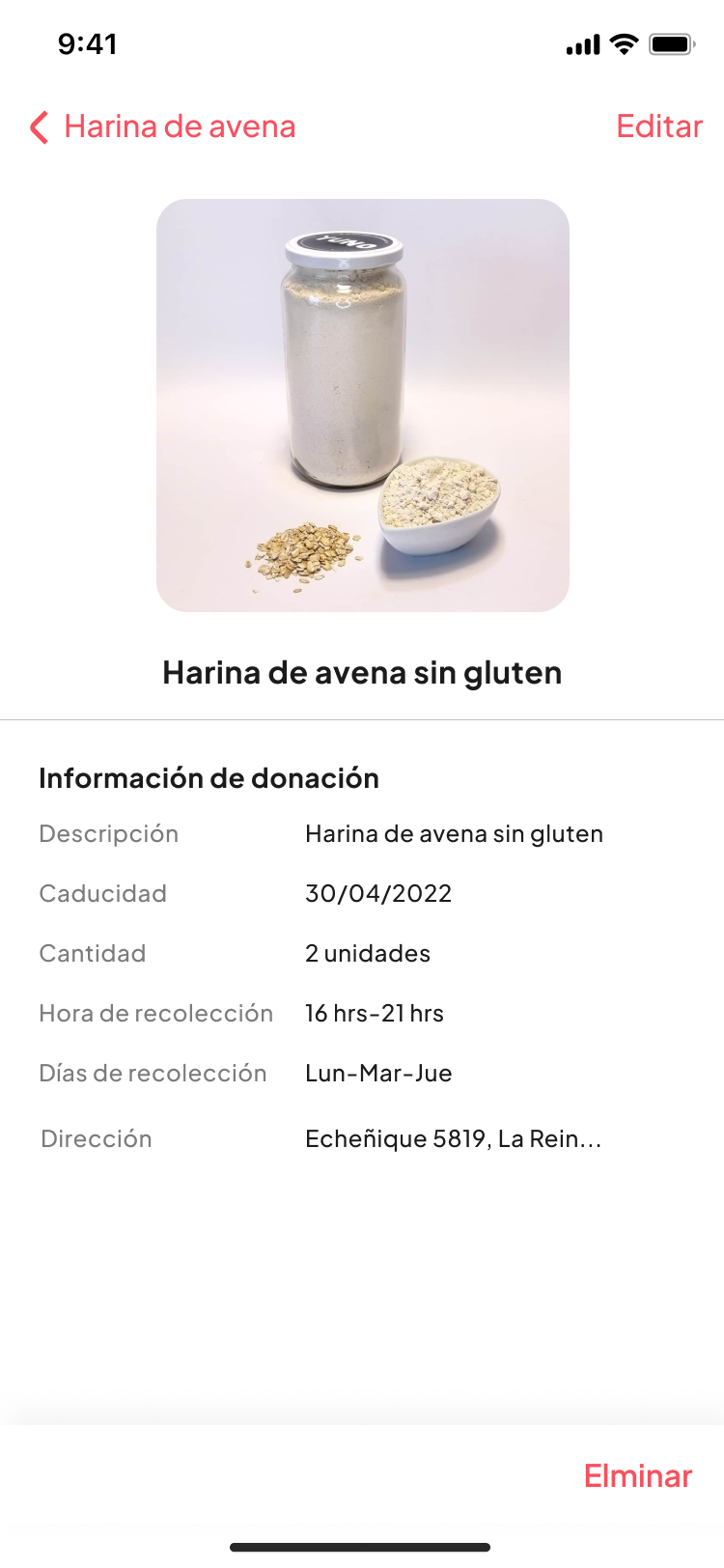
The product detail consolidates description, quantity, expiry and pickup information so every handoff has one clear source of truth.
INTERACTIVE PROTOTYPE
Explore the original CornerPeople flow.
Navigate the full prototype and see how the donation experience fits inside the Cornershop ecosystem.
04
EDGE CASES & SAFETY
I designed the happy path around the exceptions that could break trust.
Barcode not found
Fallback to an assisted manual listing with front photo + ingredients photo before publishing.
Sensitive perishables
Prevent publication of opened dairy, frozen goods or products that depend on a cold chain.
Less than 30 days to expiry
Show an amber warning and redirect from P2P toward immediate consumption or same-day shopper handoff.
05
IMPACT & BUSINESS METRICS
Social value needed to reinforce the core marketplace — not sit beside it.
MetricResult / targetWhat it tells me
Listing Completion Time≤ 45 sec
Publishing must stay lighter than the perceived value of donating.
Barcode Scan Success> 88%
The catalog-driven model depends on reliable first-read recognition.
Listing Abandonment< 12%
A direct signal that the listing flow is not becoming administrative work.
Repeat orders+1.8 / month
The service concept links social participation with stronger recurring platform behavior.
06
RETROSPECTIVE & LEARNINGS
Designing for dignity changed the product language as much as the service model.
Avoid paternalistic language
I frame participation as sharing, recognition and neighborhood utility — not as charity performed by one group for another.
What worked
Using the existing catalog, checkout moments and shopper routes turns a complex service into a set of familiar product behaviors.
What I would iterate
I would further test incentive design, concierge handoff reliability, expiry policies and whether P2P matching should be synchronous or batched.
Technical next steps
Catalog/barcode services, safety-rule engine, QR traceability, route-eligibility logic and event instrumentation are the core implementation dependencies.
PRODUCT TAKEAWAY
The strongest social-impact feature was not a new delivery service. It was a better use of a service that already existed.
CornerPeople taught me to design across the full ecosystem: customer behavior, shopper incentives, operational constraints, safety rules and the business model all had to move together.
← Back to selected work